Top Accounting Tips for Small Businesses in Bogue
Understanding the Basics of Accounting
For small businesses in Bogue, mastering the fundamentals of accounting is crucial. Whether you're a startup or an established business, having a firm grasp on your finances can help you make informed decisions and ensure sustainability. Accounting involves tracking income, expenses, assets, and liabilities to provide a clear financial picture.
One of the first steps is to choose the right accounting method. The two primary methods are cash basis and accrual basis accounting. Cash basis is simpler and records transactions when cash changes hands, whereas accrual basis records income and expenses when they are incurred, providing a more accurate financial view.
Maintaining Accurate Records
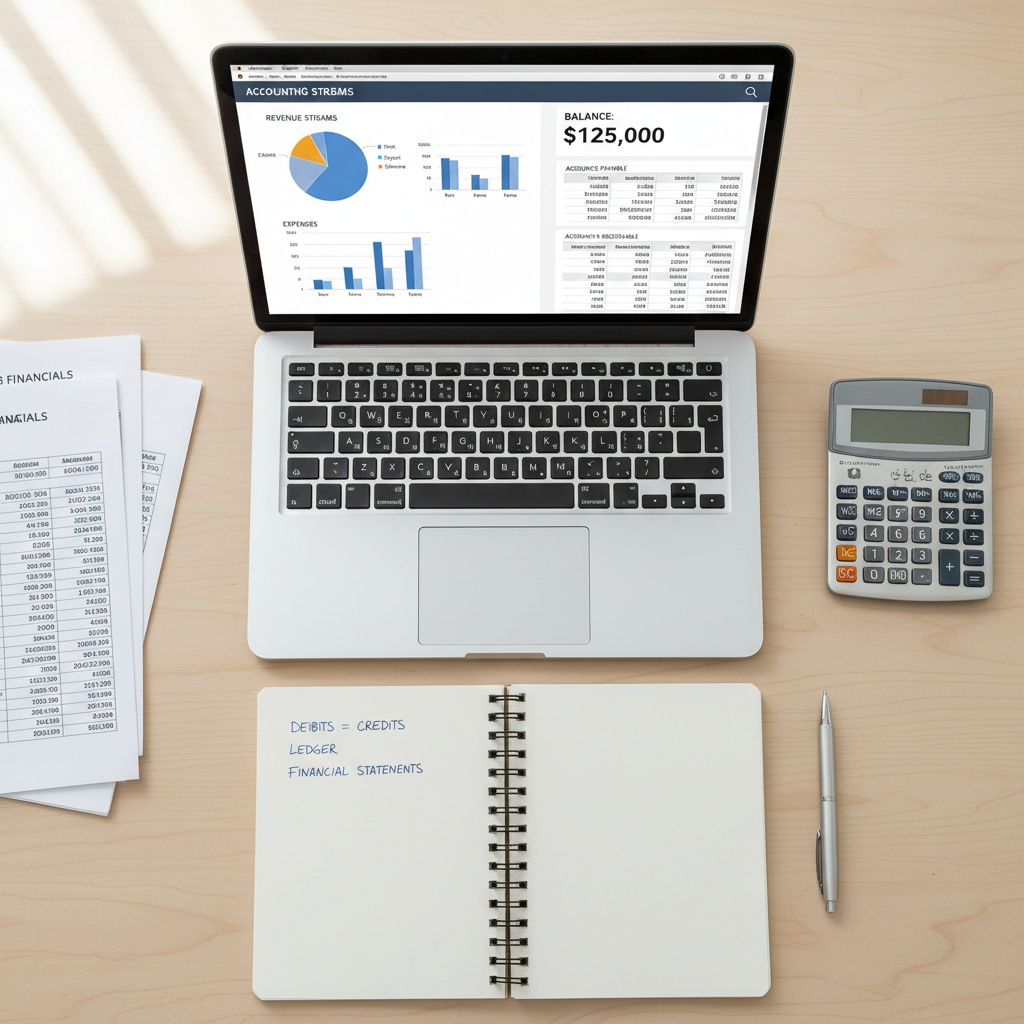
Keeping detailed and accurate financial records is essential for all small businesses. This helps in tracking business performance, preparing tax returns, and securing loans. Consider using accounting software like QuickBooks or Xero to automate and streamline the process.
Organize your records by categorizing expenses and income. This not only helps in efficient bookkeeping but also aids in identifying areas where you can cut costs or increase revenue. Regularly updating your records will save you time and stress, especially during tax season.

Developing a Budget
A well-planned budget is a roadmap for financial success. It helps you allocate resources efficiently, foresee potential cash flow issues, and plan for future growth. Begin by analyzing past income and expenses to create realistic projections for the coming year.
Break down your budget into monthly or quarterly segments, allowing you to monitor performance and make adjustments as needed. Remember to include all fixed and variable costs, and set aside a contingency fund for unexpected expenses.

Understanding Tax Obligations
Complying with tax regulations is a must for small businesses in Bogue. Stay informed about local, state, and federal tax requirements to avoid penalties. Consider consulting with a tax professional to ensure you're taking advantage of all available deductions and credits.
Make it a habit to set aside funds for taxes throughout the year. This proactive approach prevents last-minute scrambling and ensures you meet deadlines without financial strain.
Regular Financial Reviews
Conducting regular financial reviews allows you to assess your business's health and make strategic decisions. Analyze financial statements, such as balance sheets and income statements, to identify trends and areas for improvement.
Engage with an accountant or financial advisor to gain insights and set realistic financial goals. Regular reviews not only help in maintaining financial stability but also in planning for long-term growth.
Leveraging Professional Help
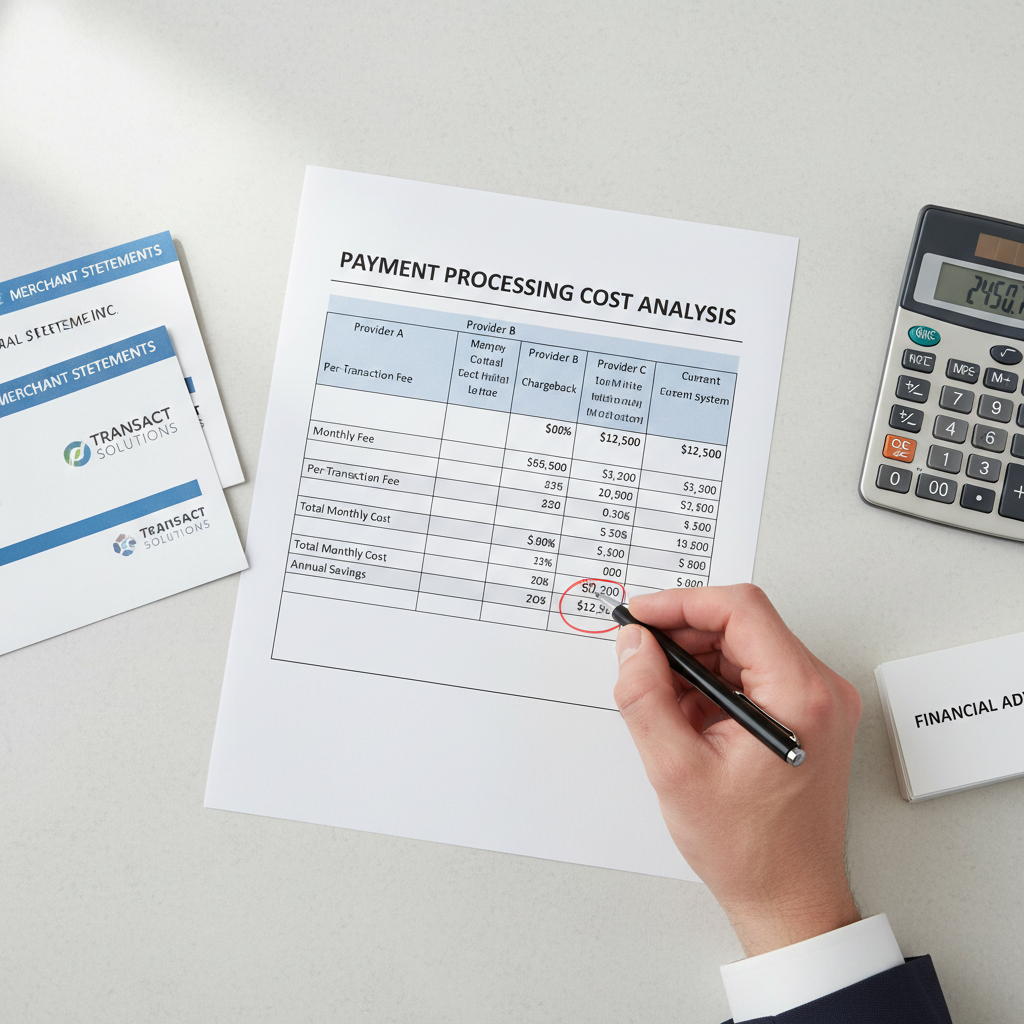
While managing finances in-house is possible, leveraging professional accounting services can be a game-changer for small businesses. Accountants offer expertise in tax planning, financial analysis, and compliance, providing you with peace of mind and allowing you to focus on other aspects of your business.
Consider hiring a part-time accountant or using outsourced accounting services to handle complex tasks, ensuring accuracy and efficiency in your financial management.