Preparing for Tax Season in Jamaica: Expert Tips from Kingston Financial Experts
As tax season approaches in Jamaica, many individuals and businesses find themselves scrambling to get their financial documents in order. With the right preparation, you can navigate this period smoothly and efficiently. In this post, we share expert tips from financial professionals in Kingston to help you prepare effectively for tax season.
Understand the Jamaican Tax System
The first step in preparing for tax season is to understand the Jamaican tax system. Jamaica operates on a self-assessment system, which means that taxpayers are responsible for reporting their income and calculating the taxes owed. It is crucial to familiarize yourself with the different types of taxes, such as income tax, General Consumption Tax (GCT), and property tax.
For individuals, the tax year runs from January 1 to December 31, and the filing deadline is March 15 of the following year. Businesses have similar deadlines but must also consider quarterly estimated tax payments.
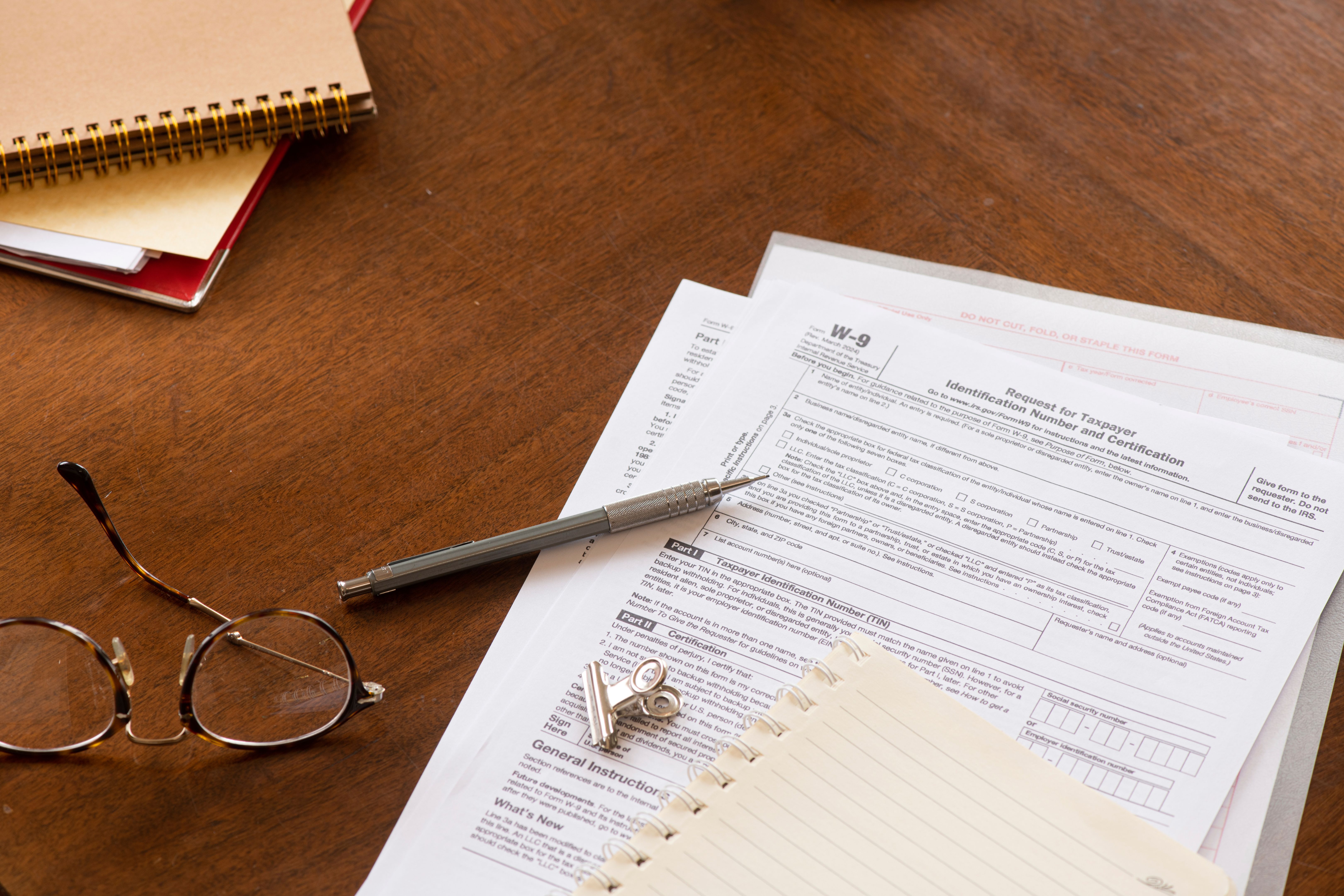
Organize Your Financial Records
Proper organization of financial records is essential for a hassle-free tax season. Start by gathering all relevant documents, including income statements, expense receipts, bank statements, and any other financial documentation. Keeping these records organized will make it easier to calculate your taxable income and ensure that you don’t miss any deductions.
Creating a filing system, either digital or physical, can help maintain order throughout the year. This practice will not only benefit you during tax season but also assist with ongoing financial management.

Seek Professional Assistance
While many individuals choose to handle their taxes independently, consulting with a tax professional can provide significant advantages. Financial experts in Kingston can offer personalized advice, help you identify applicable deductions, and ensure that your tax return complies with current regulations.
Working with a professional can also alleviate the stress associated with tax season, allowing you to focus on other important areas of your life or business.

Maximize Tax Deductions and Credits
One of the keys to minimizing your tax liability is to take full advantage of available deductions and credits. Common deductions for individuals include mortgage interest, education expenses, and medical costs. Businesses may be eligible for deductions on expenses such as salaries, utilities, and office supplies.
Staying informed about changes in tax laws and newly introduced deductions can result in significant savings. A tax professional can help you identify and claim these benefits.
Plan Ahead with Estimated Taxes
For business owners and self-employed individuals, planning ahead with estimated taxes is crucial. The Jamaican tax system requires quarterly payments of estimated taxes, which are due on March 15, June 15, September 15, and December 15. Failure to make these payments can result in penalties and interest charges.
By accurately projecting your income and expenses, you can make informed decisions about your estimated tax payments, ensuring compliance and avoiding unexpected liabilities.

Embrace Technology for Efficiency
Leveraging technology can simplify the tax preparation process. Consider using accounting software to track income and expenses throughout the year. Many of these tools offer features that generate financial reports, making it easier to compile necessary documentation for tax filing.
Additionally, online tax filing platforms can streamline the submission process, providing step-by-step guidance and reducing the likelihood of errors.
By following these expert tips, you can approach tax season in Jamaica with confidence and ease. Proper preparation, organization, and professional assistance will ensure that you meet your obligations and maximize your financial benefits.